Understanding Historic Home Addition
Definition and Importance of Historic Home Addition
Historic Home Addition refers to the careful expansion or enhancement of an existing historic structure while preserving its architectural significance and integrity. Such projects are often undertaken to accommodate modern living needs, such as additional living space, enhanced functionality, or updated amenities. The essence of a Historic Home Addition lies in respecting the original design while ensuring that the new sections blend seamlessly with the older sections. The importance of this practice cannot be understated. It not only maintains the cultural heritage of a community but also enhances property values, ensuring the continuity of architectural traditions for future generations.
Benefits and Challenges of Adding to Historic Homes
When considering a Historic Home Addition, numerous benefits surface alongside certain challenges. The primary benefits include a heightened property value due to increased square footage and modern conveniences while maintaining historical charm. Additionally, homeowners can declare their dedication to preserving the community’s cultural integrity.
However, challenges arise, such as stringent regulations governing alterations to historic structures, potential structural issues related to integrating modern materials with those dating back decades, or even centuries. Homeowners must adopt a meticulous approach, involving experts to tackle these challenges effectively.
Architectural Styles and Considerations
The architectural style of a historic home significantly influences the design of the addition. Factors such as style, scale, and materials are crucial to maintaining aesthetic harmony. Various architectural styles, from Colonial and Victorian to Mid-Century Modern, each have distinct features that should guide the design process. It is imperative to consider how an addition can respect and reflect the existing details, such as rooflines, window placements, and exterior finishes, ensuring a cohesive appearance that honors the historic character of the original structure.
Planning Your Historic Home Addition
Developing a Comprehensive Design Plan
The first step in executing a successful Historic Home Addition involves crafting a robust design plan. Engaging with an architect experienced in historic renovations can ensure that both the practicality and the aesthetic goals are met. Begin by outlining the desired outcomes of the addition, such as the purpose of new spaces (e.g., kitchen, bathroom, or office) and potential challenges posed by existing conditions. Sketching concepts and exploring materials early in the design process can foster feedback and iterative improvements, ensuring the final design aligns with historical standards and homeowner needs.
Key Permits and Regulations to Consider
Embarking on a Historic Home Addition requires navigating a maze of permits and regulations, given that many historic homes are under the jurisdiction of local preservation boards or national historic registries. Homeowners must research and apply for the necessary building permits, ensuring compliance with historic preservation guidelines that aim to protect the architectural integrity. Failure to obtain the appropriate approvals can lead to significant fines and costly renovations post-construction, making this planning phase crucial.
Set a Realistic Budget for Your Project
Establishing a realistic budget is essential for any construction project, especially when it comes to historic home additions. Factors affecting costs include the complexity of the design, the materials used, labor expenses, and potential unexpected challenges that may arise during construction. It is crucial to account for both direct costs, like renovations, and indirect costs, such as temporary relocations or alternative accommodations during construction. Homeowners should also set aside a contingency fund to address unforeseen issues that arise.
Design Principles for Historic Home Addition
Balancing Modernity with Tradition
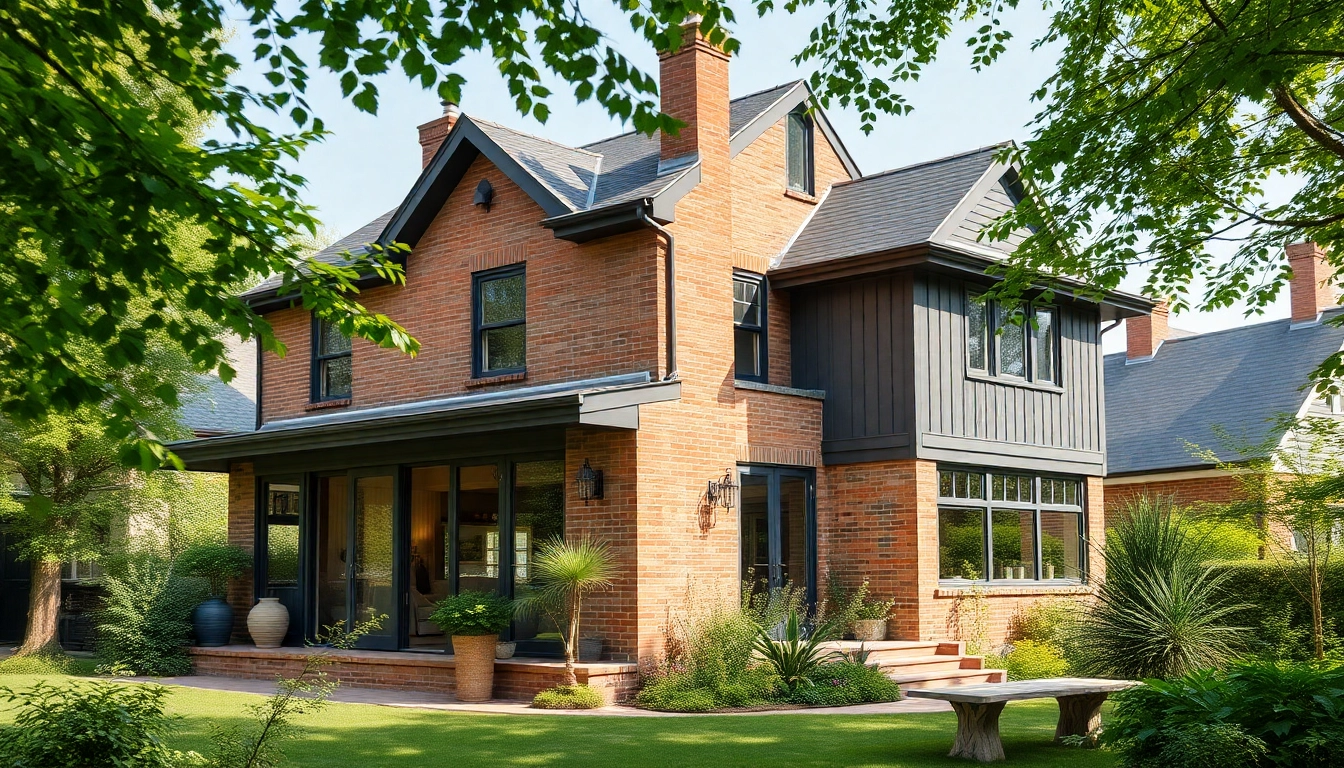
The challenge of a Historic Home Addition lies in balancing contemporary living needs with traditional aesthetics. Homeowners should strive for designs that reflect modern lifestyles—like open-concept living spaces—while respecting the existing architectural styles of the historic structure. Successful projects often feature subtle transitions between old and new, such as maintaining similar rooflines or using compatible roofing materials that respect the original home's character.
Choosing Suitable Materials and Finishes
Selection of materials is pivotal in achieving a successful Historic Home Addition. The materials used should complement and reflect the original construction, including brick types, siding materials, and roofing choices. Homeowners are encouraged to source materials from local suppliers specializing in restoration to ensure consistency in texture, color, and durability. This approach not only enhances the visual appeal but also preserves the home's historical accuracy.
Incorporating Energy Efficiency in Designs
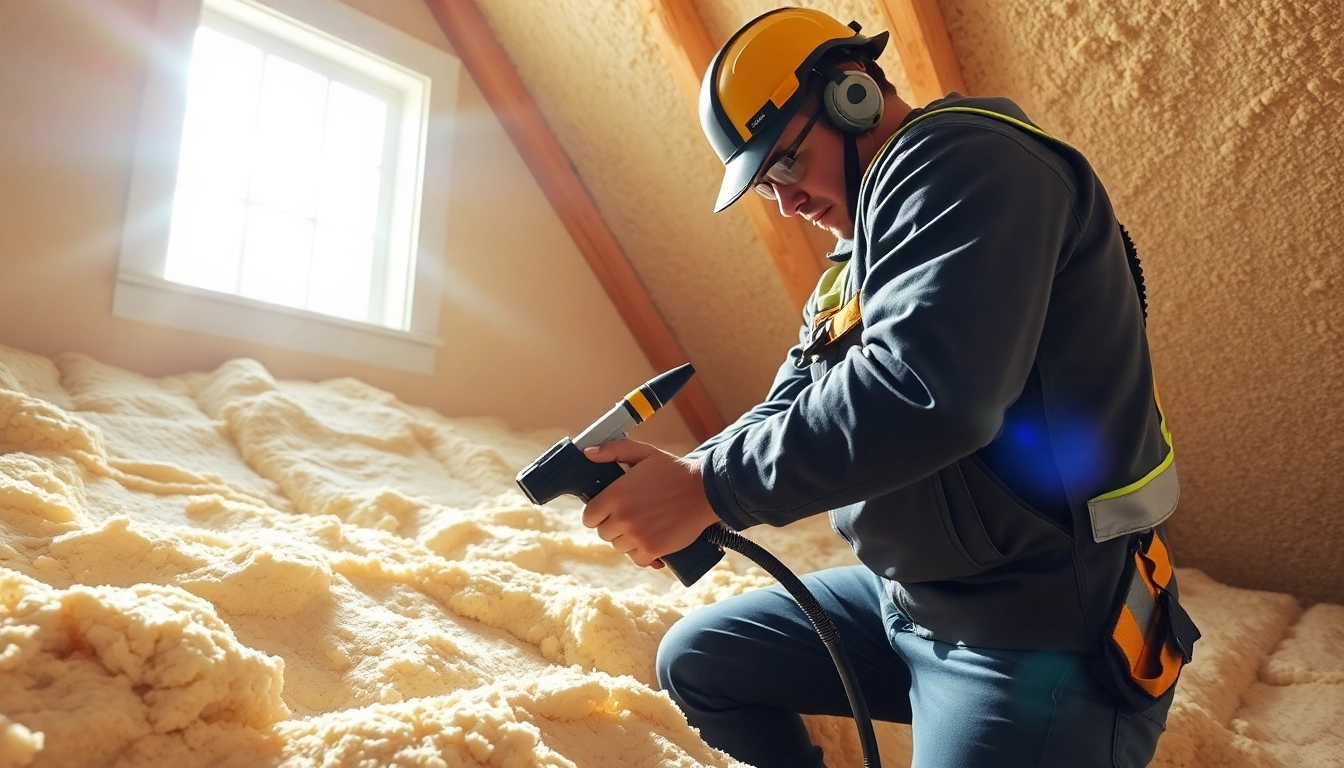
Modern energy-efficient features can and should be integrated into historic homes. This can be achieved by employing modern insulation techniques, energy-efficient windows that mimic period styles, and sustainable materials that do not compromise the home's aesthetic. Furthermore, creating a sustainable addition can help homeowners save money on utility bills while contributing towards environmental conservation, thus merging contemporary standards with historical sensibilities.
Implementing Your Historic Home Addition
Finding the Right Contractors and Designers
Finding skilled contractors and designers is crucial to the success of a Historic Home Addition. Look for professionals with experience in historic preservation, as they will possess the necessary knowledge to execute complex projects sensitively and skillfully. Recommendations from local preservation societies or historical commissions can lead to experienced practitioners proficient in navigating the unique challenges associated with historic additions.
Managing the Construction Process
Effective project management is vital throughout the construction process. Establish regular meetings between homeowners, contractors, and architects to keep all parties informed and on the same page. Utilizing project management tools can assist in tracking timelines, budgets, and construction milestones. Promptly addressing any issues that arise during the process can prevent significant delays and ensure successful project delivery.
Tips for Minimizing Disruptions During Renovation
Renovation work can be disruptive, particularly in a home setting. To minimize disturbances, homeowners should consider scheduling construction during times that least affect day-to-day activities, such as during working hours. Establishing clear boundaries around the construction area can protect both the workers and the owners from potential hazards and keep daily routines as normal as possible. Communication is key—keeping neighbors informed can help maintain relationships during the renovation process.
Maintaining the Aesthetic of Your Historic Home Addition
Landscaping Ideas to Enhance Curb Appeal
Once the addition is complete, enhancing the surrounding landscape is a critical factor in maintaining aesthetic coherence. Thoughtful landscaping can emphasize the beauty of both the historic structure and the new addition. Planting native trees and shrubs, creating garden paths that lead to entrance points, and considering exterior lighting can immensely improve curb appeal while adhering to the historical integrity of the home.
Preserving Original Features After Renovation
After completing a Historic Home Addition, it is crucial to preserve the original features that contribute to the home’s character. This might involve restoring original windows, preserving plasterwork, or re-curating spaces to maintain historical significance. Regular maintenance, such as painting and repairs, can help protect these original elements while ensuring they remain functional and beautiful.
Long-term Maintenance and Care Tips
Long-term maintenance plays an integral role in the durability and preservation of a Historic Home Addition. Homeowners should develop a maintenance schedule that includes routine inspections of structural integrity, roofing, and landscaping. Being proactive about repairs can avert larger problems down the road. Additionally, educating family members about the home's history and significance fosters appreciation for the property and encourages collective responsibility toward its upkeep.
Frequently Asked Questions
What is the best way to start a Historic Home Addition project?
Start with a comprehensive design plan that outlines your goals and engages professionals experienced in historic renovations.
Are permits necessary for a Historic Home Addition?
Yes, permits are generally required, as many historic homes are governed by strict regulations designed to preserve their integrity.
How can I ensure materials used are compatible with the original home?
Source materials from local suppliers who specialize in historic restoration to ensure color, texture, and style consistency.
What challenges might I face during construction?
Challenges can include structural issues, compliance with regulations, and potential delays due to unexpected findings during renovation.
How do I maintain the value of my historic home after the addition?
Regular maintenance, preserving original features, and ensuring the addition harmonizes with the original aesthetics all contribute to sustained value.