

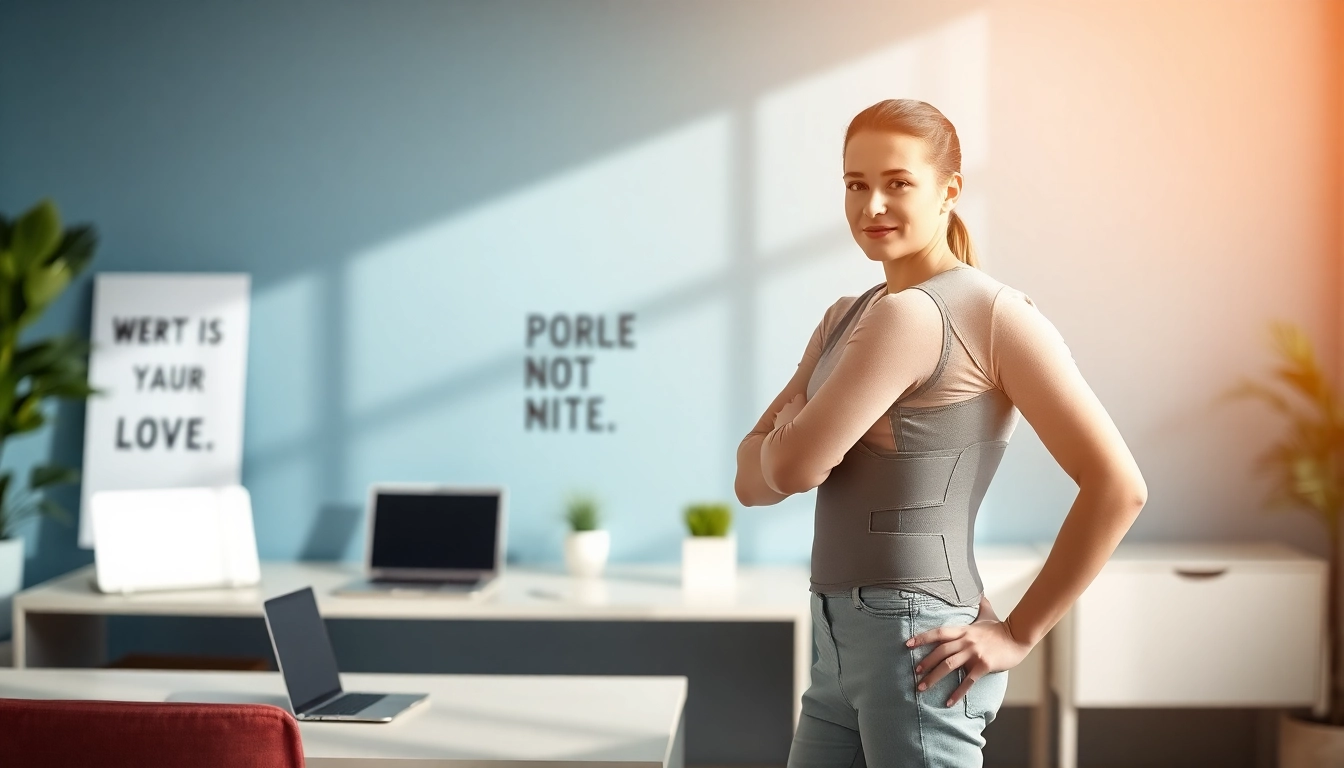
Understanding the Importance of Posture
In our fast-paced world, the emphasis on health often takes a back seat to productivity and convenience. However, understanding the importance of posture is crucial not only for physical well-being but also for mental clarity and emotional stability. Engaging with the concept of posture corrector can be a vital step towards achieving better alignment and overall health.
What is Proper Posture?
Proper posture is the alignment of the body in a way that minimizes strain on muscles and ligaments. It involves the positioning of the spine, shoulders, and pelvis that allows the body to function efficiently. When standing, one should aim to keep the head level, shoulders back, and feet shoulder-width apart. Sitting properly also requires that feet are flat on the ground, with the back straight and shoulders relaxed. Proper posture enables optimal functioning of the lungs and digestive organs, facilitates effective movement, and reduces the likelihood of discomfort or injury.
Consequences of Poor Posture
Poor posture can lead to a plethora of physical and mental issues. Physically, it can cause chronic pain, particularly in the back, neck, and shoulders. This discomfort can spur a cycle of stress and anxiety, further exacerbating the issue. Long-term poor posture has been linked with conditions such as herniated discs, headaches, and even digestive problems. Mentally, the effects can include decreased confidence and energy levels. Individuals may find themselves more fatigued, as poor posture can restrict breathing and circulation, leading to an overall sense of lethargy.
Benefits of Correcting Your Posture
Correcting posture can transform lives in numerous ways. Firstly, it alleviates chronic pain and enhances physical health by improving body alignment. Furthermore, it can boost confidence and self-esteem; standing tall often translates to projecting confidence. Improved posture can also enhance mental clarity and productivity, allowing individuals to concentrate better. Additionally, those with corrected posture may experience enhanced physical performance during exercise, improved circulation, and even better digestion. The cumulative effect of these benefits can contribute to a more vibrant, energetic lifestyle.
Types of Posture Correctors
The market for posture support tools is diverse, catering to various needs and preferences. Understanding the different types can help users make informed decisions about which option best suits their lifestyle and postural challenges.
Supportive Braces
Supportive braces are designed to provide stability and alignment for the spine while discouraging slumping or slouching. They can be particularly effective for individuals seeking immediate support during specific activities or those recovering from injuries. Typically made from durable yet breathable materials, these braces function similarly to a back support system. However, it is essential to use them correctly and in moderation to avoid dependency.
Smart Posture Devices
With technology intertwined in our daily routines, smart posture devices have emerged as popular tools for tracking and correcting posture. These wearable gadgets often come with sensors that monitor body alignment and provide real-time feedback to the user. Some even offer notifications to remind users to maintain an upright posture. This technological advancement is particularly appealing to those who are more motivated by data and interactivity in their health routines.
Comparative Analysis of Types
When comparing supportive braces and smart posture devices, it’s essential to evaluate personal needs and goals. Supportive braces offer immediate relief and spinal support, making them ideal for those suffering from acute pain or postural issues. Conversely, smart posture devices are beneficial for long-term engagement, helping users learn to self-correct through awareness and technology. Each option has advantages and should be chosen based on the user’s specific requirements and lifestyle preferences.
How to Choose the Right Posture Corrector
Selecting the most suitable posture corrector involves a careful assessment of personal needs, comfort levels, and specific circumstances. Here are some vital considerations to ensure an optimal selection.
Assessing Your Posture Needs
Begin by conducting a self-assessment of your posture. Observe yourself while sitting, standing, and even walking. Determine which areas are most problematic or painful and consider consulting with a healthcare professional for an expert opinion. This assessment is critical, as different types of posture correctors are better suited for various issues, such as upper back strain versus lower back pain.
Comfort and Fit Considerations
Comfort should be a top priority when choosing a posture corrector. Many individuals find their new device causes discomfort at first but should be manageable and not painful. Ensure that any straps or materials do not irritate the skin. A correct fit will make it much more likely that the user will wear the device regularly, thus maximizing its potential benefits.
Recommended Brands and Models
While exploring various brands and models, prioritize customer ratings and reviews, as they offer invaluable insights into the effectiveness and comfort of each option. Look for brands that have established themselves as credible in the wellness space, often with warranties or satisfaction guarantees. Personal preferences for style and design may also play a role, so take time to explore various aesthetics.
Using a Posture Corrector Effectively
Once a suitable posture corrector is chosen, understanding how to use it effectively is vital for achieving the desired results. Establishing a routine, avoiding common pitfalls, and monitoring progress can significantly enhance the benefits of the device.
Establishing a Routine
Creating a consistent routine with your posture corrector involves incorporating it into daily activities gradually. Start by wearing the device for short periods, especially during times when poor posture is most likely to occur, such as at a desk or while driving. Over time, as muscle memory strengthens and proper posture becomes a habit, increase the wearing duration for optimal results.
Common Mistakes to Avoid
Many newcomers make the mistake of relying solely on their posture corrector without actively working to improve their posture through exercises or stretching. It’s important to remember that these devices are aids, not cures. Additionally, wearing the device for extended periods without breaks can lead to discomfort or reliance, negating the benefits. Always combine the use of a posture corrector with awareness and active correction of posture in daily activities.
Monitoring Progress and Adjustments
Keeping track of your progress is crucial in understanding how well the posture corrector is working. Take notes or use photographic evidence to visualize changes in posture over time. As improvements occur, it may be necessary to make adjustments to how and when you wear the device. Consult professionals if changing your routine or changing devices to ensure steady progress towards optimal posture.
Frequently Asked Questions
What is a posture corrector?
A posture corrector is a device designed to support and improve body alignment, helping to alleviate discomfort and encourage better posture habits.
Who can benefit from using a posture corrector?
Anyone experiencing discomfort from poor posture, including office workers, athletes, or those recovering from injuries, can benefit from using a posture corrector.
How long should I wear a posture corrector?
Initially, wear it for 15-30 minutes a day and gradually increase wear time as comfort improves. Listening to your body is crucial.
Can a posture corrector help with back pain?
Yes, a posture corrector can alleviate back pain by promoting proper alignment, leading to reduced strain on muscles and ligaments.
Are there exercises to complement the use of a posture corrector?
Absolutely! Incorporate exercises like stretches and strength training focused on the core and back to enhance the effects of a posture corrector.
