

Understanding Fiberglass Mats
What Are Fiberglass Mats?
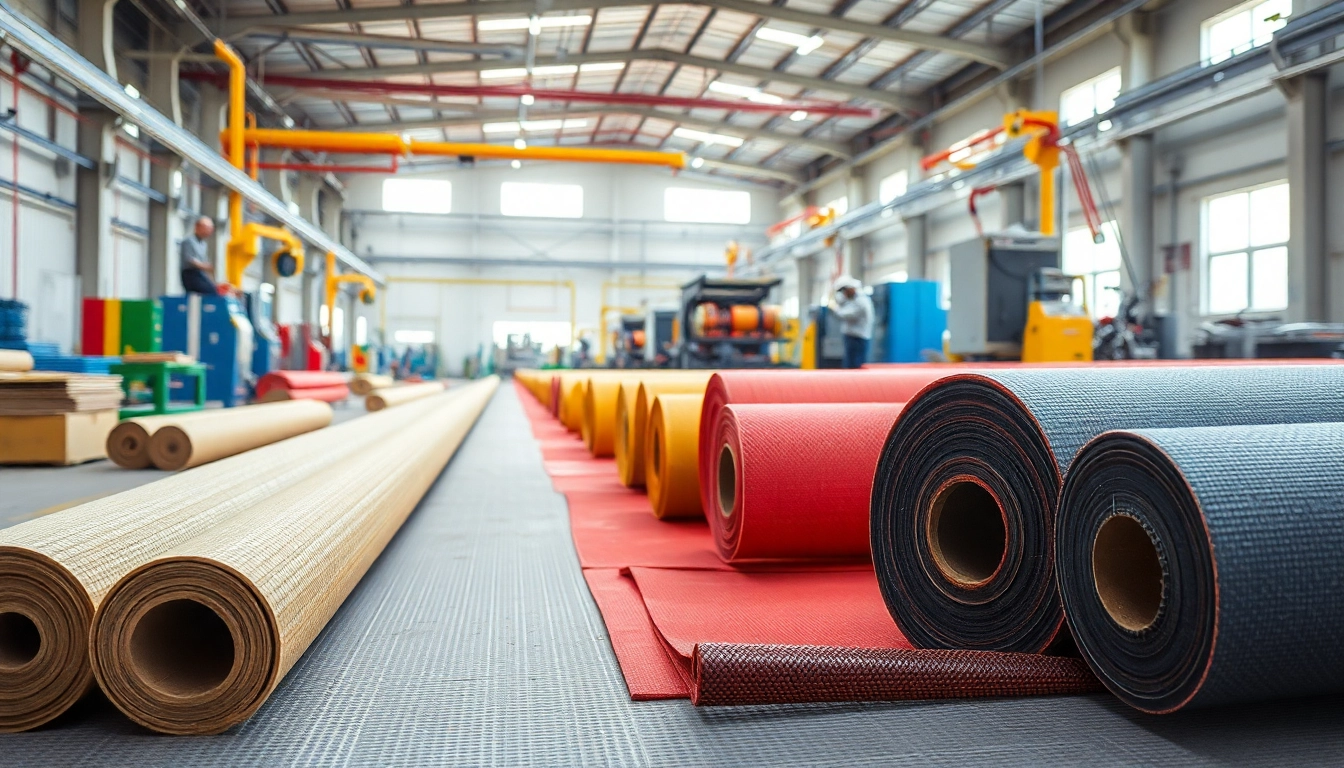
Fiberglass mats are woven or non-woven materials composed of glass fibers, predominantly used in composite material production. These mats come in various thicknesses and are available in two main types—chopped strand mats and continuous filament mats. Chopped strand mats are made of randomly oriented strands that provide excellent flexibility and impact resistance, while continuous filament mats feature fibers running in a single direction, allowing for greater strength in specific applications. fiberglass mat manufacturers typically offer a wide range of options tailored to diverse industrial needs.
Benefits of Using Fiberglass Mats
The utilization of fiberglass mats offers numerous advantages. For starters, they are highly resistant to heat, chemicals, and corrosion, making them an ideal choice for applications in harsh environments. The lightweight nature of fiberglass also facilitates easy handling and transportation. These mats exhibit excellent tensile strength while remaining flexible, contributing to the overall durability of composite products. Additionally, fiberglass mats are easy to mold and construct, maximizing their usability across various sectors and enhancing the performance of the resultant composite materials.
Applications of Fiberglass Mats
Fiberglass mats are versatile and find applications across several industries. In the automotive industry, they are used for manufacturing lightweight parts that enhance fuel efficiency. Construction sectors utilize fiberglass mats for roofing systems, wall panels, and insulation. The marine industry employs these mats in the manufacturing of boat hulls and other components, ensuring durability and resistance to water corrosion. Additionally, they are utilized in the aerospace sector for producing components that require a high strength-to-weight ratio, directly impacting overall performance.
Choosing the Right Fiberglass Mat Manufacturers
Evaluating Manufacturer Credentials
Selecting the right fiberglass mat manufacturers starts with an assessment of their credentials. Look for manufacturers that possess industry certifications, such as ISO and ASTM, which indicate adherence to quality standards. Evaluating their experience is also essential; manufacturers with a long-standing reputation typically demonstrate reliability and expertise in their production processes. Furthermore, checking for reviews or testimonials from previous clients can offer insight into their performance and the quality of products they provide.
Key Factors in Manufacturer Selection
When choosing a manufacturer, consider several key factors beyond credentials. Firstly, assess the product range they offer; a comprehensive selection often indicates advanced capabilities. Secondly, analyze their production capacity and lead time, as timely delivery can significantly impact project schedules. Additionally, focus on their pricing structure, ensuring it aligns with your budget without compromising quality. Lastly, consider their customer service approach, as effective communication and support can make your partnership more productive.
Quality Assurance Practices
Quality assurance is critical when working with fiberglass mat manufacturers. Ensure that the manufacturer implements robust quality control measures throughout the production process. This may include routine inspections at various stages, testing of raw materials, and validating the finished products against specified performance criteria. Understanding their commitment to quality can offer peace of mind and confidence that the fiberglass mats will meet necessary standards for your applications.
Production Techniques by Fiberglass Mat Manufacturers
Common Manufacturing Processes
The production of fiberglass mats involves several techniques, with the two most common being the wet-layup and dry-layup methods. In the wet-layup process, glass fibers are saturated with resin, allowing them to bond more effectively. This method is known for producing mats with superior adhesion and reduced voids. Conversely, the dry-layup technique involves layering dry fibers and then applying resin through methods such as spraying or vacuum infusion. Each technique has its advantages and is chosen based on desired performance characteristics and application demands.
Innovations in Fiberglass Production
Innovation plays a significant role in the production of fiberglass mats. Recent developments have led to the introduction of advanced materials and production technologies, such as the use of bio-based resins and improved fiber bonding agents. Integrating automation into manufacturing processes enhances precision and efficiency, reducing waste. Furthermore, manufacturers are increasingly incorporating smart technology for real-time monitoring and quality control, allowing for adjustments to be made instantly, which ensures consistent product quality.
Reducing Environmental Impact
As environmental sustainability becomes paramount, many fiberglass mat manufacturers are adapting their practices to minimize ecological footprints. This includes sourcing raw materials responsibly and implementing recycling programs for waste materials. Additionally, manufacturers are exploring eco-friendly alternatives such as natural fiber composites that can reduce reliance on traditional glass fibers. By proactively addressing environmental concerns, manufacturers can appeal to a growing market that prioritizes sustainability and eco-conscious solutions.
Market Trends in Fiberglass Mats
Emerging Trends Among Manufacturers
Current market trends indicate a shift towards lightweight materials across various industries, leading to increased demand for fiberglass mats. Manufacturers are not only working on enhancing the properties of fiberglass but also exploring hybrid materials that combine the benefits of various fibers. The growing emphasis on energy efficiency and sustainability in production methods is shaping the landscape, with manufacturers adopting greener technologies and materials to meet market demands.
Demand Growth Across Industries
The growth in demand for fiberglass mats spans multiple sectors. In construction, the push for energy-efficient buildings has bolstered the demand for materials that offer thermal insulation and lightweight properties. The automotive and aerospace industries are equally expanding their use of fiberglass mats as manufacturers seek to improve fuel efficiency and reduce emissions. This growth trend is projected to continue as industries innovate and invest in newer, more robust composite solutions.
Competitive Landscape Analysis
The competitive landscape for fiberglass mats is evolving with both established manufacturers and new entrants stepping up their game. Innovation and differentiated product offerings are increasingly becoming focal points. Some manufacturers are also enhancing their global supply chains to reduce lead times and improve customer responsiveness. As competition intensifies, it’s imperative for manufacturers to not only focus on product development but also to streamline operations to stay ahead in this dynamic market.
FAQs About Fiberglass Mat Manufacturers
What materials are used in fiberglass mats?
Fiberglass mats are primarily made from glass fiber, which may be coated with resins to enhance strength and durability. Various types of resins, such as epoxy or polyester, may also be utilized to create tailored properties suitable for specific applications.
How are fiberglass mats produced?
Fiberglass mats are produced through methods like wet-layup and dry-layup processes. These involve laying fibers and saturating them with resins to form a strong, flexible material that can be molded into composite products.
What industries commonly use fiberglass mats?
Fiberglass mats find widespread use in industries such as automotive, construction, aerospace, and marine. They are utilized for producing lightweight, durable, and corrosion-resistant parts and materials across these sectors.
How do I select a fiberglass mat manufacturer?
To select a fiberglass mat manufacturer, evaluate their credentials, production capabilities, product range, and quality assurance practices. Read client reviews and ensure they meet relevant industry standards for your needs.
What are the advantages of fiberglass over other materials?
Fiberglass offers several advantages, including high strength-to-weight ratio, resistance to corrosion, thermal insulation, and ease of fabrication. These properties make it an excellent choice for various demanding applications.
