

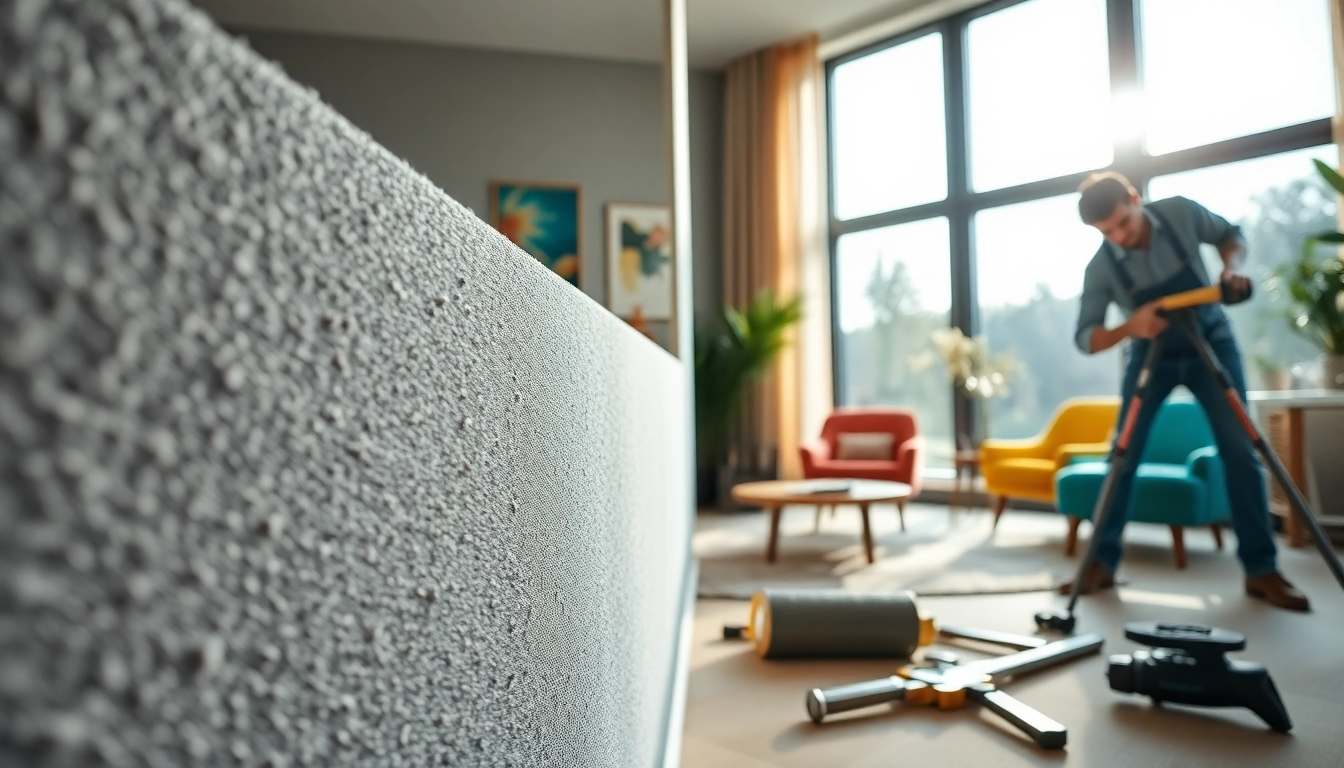
Understanding Soundproofing Fundamentals
What is Soundproofing?
Soundproofing is the practice of reducing or eliminating sound transmission between rooms or spaces, both from external noise sources and between different areas within a building. This can be achieved through various methods ranging from the usage of specific materials to architectural designs that aim to absorb or block sound waves. Soundproofing is particularly crucial in urban areas where noise pollution can affect the quality of life. By understanding soundproofing, homeowners, renters, and builders can create environments that promote peace and tranquility.
Importance of Soundproofing in Homes
In today’s fast-paced world, the need for a peaceful home environment cannot be understated. Soundproofing plays a significant role in enhancing privacy, comfort, and mental well-being. It helps mitigate disturbances from outside traffic, loud neighbors, or even household appliances and electronic devices. Moreover, effective soundproofing can contribute to property value, making homes more attractive to potential buyers. A well-soundproofed home not only improves the living experience but also fosters a better atmosphere for work, relaxation, and sleep. Therefore, investing in Soundproofing techniques is an essential step for any homeowner looking to create a serene environment.
Key Principles of Soundproofing
To achieve effective soundproofing, it’s vital to understand its key principles, which revolve around mass, damping, and decoupling. Mass refers to the material’s weight; heavier materials block sound more effectively. Damping involves the conversion of sound energy into heat through material deformation, thus absorbing sound waves. Decoupling involves separating surfaces to disrupt the path of sound waves, preventing them from easily traveling through walls, ceilings, and floors. By applying these principles, effective soundproofing can be realized through thoughtful material selection and construction techniques.
Types of Soundproofing Materials
Acoustic Foam and Panels
Acoustic foam and panels are popular soundproofing materials designed to absorb sound rather than block it. They reduce echo and reverberation, which can enhance sound quality in recording studios, home theaters, and other environments where clarity is paramount. Acoustic foam comes in various shapes and densities, allowing for flexibility in design. These materials can be easily installed on walls or ceilings, offering a low-maintenance solution to unwanted noise.
Mass Loaded Vinyl Solutions
Mass Loaded Vinyl (MLV) is a highly effective soundproofing material due to its high density and flexibility. It can be used in various applications, including walls, ceilings, and floors. MLV works by adding mass to a structure without significantly altering its thickness. This makes it particularly useful in retrofitting existing buildings where space is limited. Installing MLV can significantly reduce sound transmission, making it an ideal choice for both residential and commercial properties.
Soundproof Drywall Options
Soundproof drywall is engineered to provide superior noise reduction compared to standard drywall. It typically incorporates a sound-dampening layer, enhancing its effectiveness at blocking sound transmission. This type of drywall can be used in various applications, including residential and commercial projects. When installing soundproof drywall, it is important to consider additional techniques such as adding insulation or using resilient channel systems to maximize performance.
DIY Soundproofing Techniques
Simple Steps for Home Soundproofing
Many homeowners may be interested in soundproofing their spaces without the need for professional services. Simple DIY techniques can yield significant results. Begin by sealing gaps and cracks around windows and doors, as these are common sound leaks. Use weather stripping or caulk to block potential entry points for noise. Additionally, consider adding rugs and heavy curtains, which can absorb sound and reduce overall noise levels in the home.
Using Furniture for Sound Absorption
Furniture can play a crucial role in sound absorption. Soft furnishings such as upholstered couches, cushions, and bookshelves can act as natural sound barriers. Strategically placing furniture against shared walls can help minimize sound transmission. Also, consider incorporating plants, as their leaves and soil can absorb some sound waves, further enhancing the quietness of your space.
Optimal Room Layout for Sound Control
The layout of a room can significantly affect sound propagation. For instance, positioning speaker systems and television sets away from shared walls can reduce noise leakage into adjoining spaces. Additionally, using area rugs and carpets can dampen sound reflections, creating a more harmonious indoor acoustics. Careful consideration of room layout can enhance the effectiveness of existing soundproofing measures.
Professional Soundproofing Solutions
When to Hire Experts for Soundproofing
While DIY soundproofing can yield improvements, there are instances where professional expertise is invaluable. Complex scenarios, such as soundproofing entire floors or high-traffic commercial spaces, may require specialized knowledge and equipment. Hiring a professional can ensure adherence to local building codes and provide access to advanced materials and installation techniques that may not be available for DIY projects.
Evaluating Soundproofing Services
When considering professional soundproofing services, it is essential to evaluate potential contractors carefully. Look for companies with a proven track record, positive customer reviews, and experience in soundproofing projects. It’s advisable to obtain multiple quotes, which should detail materials, processes, and timelines. This allows for better comparisons in terms of cost and value while ensuring transparency throughout the project.
Cost Considerations for Professional Installation
The cost of professional soundproofing can vary widely based on factors such as project size, materials used, and complexity. Generally, soundproofing can range from budget-friendly options like acoustic panels to more expensive solutions like soundproof drywall installation. It’s important to consider the long-term benefits and potential increase in property value against initial costs. Spending appropriately on soundproofing can enhance both your living experience and the marketability of your property.
Measuring the Effectiveness of Soundproofing
Tools for Testing Sound Levels
To evaluate the effectiveness of your soundproofing efforts, accurate measurement of sound levels is necessary. Various tools, including sound level meters and smartphone applications, can help in monitoring decibel levels before and after soundproofing. Using these tools allows you to quantify sound transmission and ascertain whether your strategies yield the desired results.
Analyzing Soundproofing Success
Analyzing the success of your soundproofing efforts requires both quantitative and qualitative assessments. Not only should you review sound level metrics, but also consider feedback from occupants regarding perceived noise levels. If complaints or disturbances persist, it may indicate the need for further improvements. Regularly evaluating conditions can help in maintaining an effective soundproofing environment.
Future Trends in Soundproofing Technology
The future of soundproofing technology is evolving rapidly, with innovations such as smart materials and modular building components that enhance acoustic performance. Researchers are focusing on sustainable materials that can provide effective sound dampening without compromising environmental standards. Additionally, advancements in building design, including advanced insulation and integrated soundproofing solutions, promise to revolutionize residential and commercial spaces, further improving the quality of living and working environments.
FAQs
What is the best material for soundproofing a room?
Mass-loaded vinyl and acoustic panels are among the best materials for soundproofing due to their high-density properties and ability to absorb sound effectively.
How much does soundproofing cost?
The cost of soundproofing varies widely depending on the materials and methods used, ranging from a few hundred to several thousand dollars for comprehensive solutions.
Can I soundproof a room myself?
Yes, several DIY methods can significantly reduce noise, such as using weatherstripping, adding rugs, and installing acoustic panels.
Is soundproofing effective for all types of noise?
While soundproofing can effectively reduce airborne noise, it may be less effective against low-frequency sounds like vibrations unless specifically addressed.
How can I test my room for soundproofing effectiveness?
Using a sound level meter or sound detection app, measure noise levels before and after soundproofing to assess the effectiveness of your noise reduction efforts.