

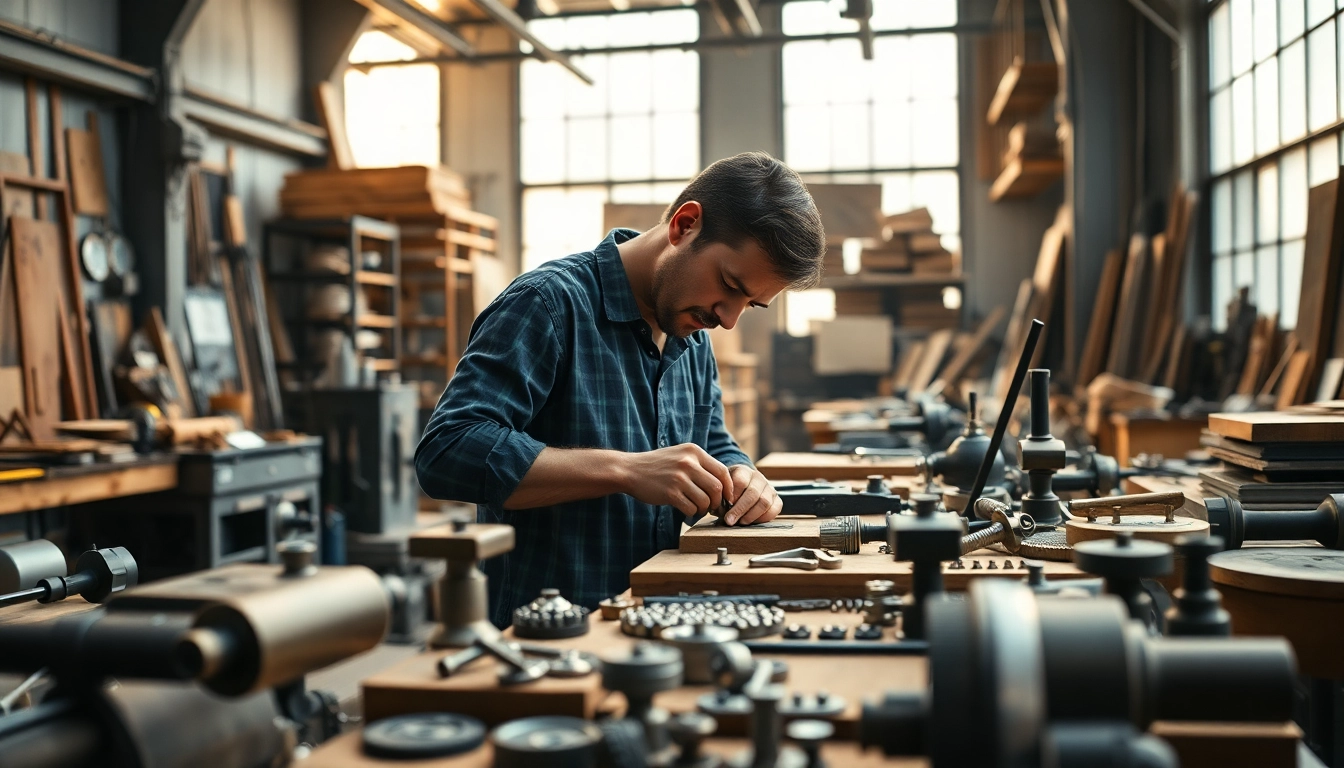
Understanding the Role of Furniture Hardware Manufacturers
What are Furniture Hardware Manufacturers?
Furniture hardware manufacturers play a crucial role in the furniture industry, serving as the backbone for various applications from cabinets and dressers to office desks and kitchen fixtures. These manufacturers specialize in creating components such as hinges, knobs, slides, and fasteners that enhance not only the functionality but also the aesthetic appeal of furniture. The relationship between furniture builders and manufacturers is key to ensuring that the final products meet consumer expectations. As a focal point in the craftsmanship process, furniture hardware manufacturers are integral to delivering quality and innovative designs.
The Importance of Quality in Hardware Manufacturing
Quality in manufacturing isn’t just a box to tick; it’s a crucial differentiator in the market. High-quality hardware ensures longevity, durability, and safety. For example, a poorly manufactured hinge can fail under normal use, leading to frustrating experiences for users. Quality assurance processes, material inspections, and thorough testing help maintain standards that resonate with consumers who seek reliable products. Furniture hardware manufacturers that prioritize quality often enjoy a loyal consumer base and enhanced brand reputation in a competitive market.
Trends Shaping the Furniture Hardware Industry
The furniture hardware landscape is evolving with technological advancements and shifting consumer preferences. Sustainability is one notable trend, with manufacturers increasingly focusing on eco-friendly materials and processes. Another significant trend is the customization and personalization of hardware, allowing consumers to express their unique styles. The rise of smart furniture also compels manufacturers to integrate technology into their products, creating a confluence of design, function, and modern convenience that is changing how we interact with furniture.
Key Components and Materials Used in Furniture Hardware
Common Materials in Hardware Production
The choice of materials is foundational to the effectiveness and appeal of furniture hardware. Common materials include metals like steel, aluminum, and brass, known for their strength and resilience. Plastics are also widely used due to their versatility and cost-effectiveness. Each material type offers distinct advantages that cater to various furniture styles and functional requirements, impacting not only performance but also the end-user experience.
Innovative Materials Revolutionizing the Industry
Innovation in materials science is paving the way for new hardware solutions that are stronger, lighter, and more environmentally friendly. Composite materials, which blend different substances, can dramatically improve performance while reducing weight. These advancements lead to hardware that retains strength yet allows for intricate designs, aligning with modern design trends that favor both aesthetics and function.
How Material Choice Affects Durability
Durability is directly influenced by the materials used. For instance, stainless steel hardware is renowned for its corrosion resistance, making it ideal for kitchens and bathrooms where moisture is a concern. On the other hand, durable plastics can often be used in applications where weight is a factor without compromising strength. A well-informed selection of materials not only enhances durability but also improves customer satisfaction and reduces return rates.
Choosing the Right Furniture Hardware Manufacturer
Factors to Consider When Selecting a Manufacturer
When selecting a furniture hardware manufacturer, consider factors such as reputation, range of products offered, and responsiveness. A reputable manufacturer should have a track record of delivering consistent quality and service. Additionally, evaluating the breadth of their product line can ensure they meet diverse design needs. It’s also crucial to assess their ability to communicate effectively and resolve issues in a timely manner.
Evaluating Manufacturer Credentials and Experience
The experience level of a manufacturer can greatly influence the quality of hardware produced. Manufacturers with years of experience often have honed processes and quality control measures in place. Look for certifications or industry standards that a manufacturer adheres to, as these can serve as indicators of their commitment to excellence. We’ve established that expertise correlates with reliability; thus, understanding a manufacturer’s background can guide decision-making.
Understanding Manufacturer Service Offerings
Beyond hardware production, manufacturers may offer value-added services such as design consultation, custom manufacturing, and after-sales support. Comprehensive service offerings can streamline the process of product development and ensure a better alignment of designs with user needs. By understanding what services are available, buyers can ascertain whether a manufacturer can meet their unique requirements, enhancing collaboration and satisfaction.
Best Practices in Furniture Hardware Design
Designing with User Needs in Mind
Effective furniture hardware design should prioritize user interaction. Conducting user research or gathering feedback can provide critical insights that inform design choices. Understanding the ergonomics and aesthetics desired by end-users allows manufacturers to create products that not only function well but also resonate on a personal level, ultimately leading to increased sales and customer loyalty.
Balancing Aesthetics and Functionality
A successful design marries aesthetics with functionality, transcending the visual appeal to ensure practical usability. Designers should consider how hardware complements the overall furniture design while also fulfilling its functional roles. For example, a beautifully crafted cabinet knob must also be easy to grip and operate. Striking this balance can enhance consumer interest and satisfaction.
Incorporating Sustainability into Hardware Design
Sustainability is fast becoming a focal point in design, with eco-conscious consumers pushing for products that minimize environmental impact. Incorporating sustainable practices in hardware design means selecting recycled materials, optimizing manufacturing processes to reduce waste, and considering the end-of-life impact of products. By taking such measures, manufacturers can appeal to an increasingly environmentally aware market segment.
Future of Furniture Hardware Manufacturing
Emerging Technologies in Hardware Production
Emerging technologies like 3D printing and automation are expected to significantly influence furniture hardware manufacturing. 3D printing allows for rapid prototyping and custom designs, while automation can streamline production processes, reduce costs, and enhance precision. Staying abreast of these technological advancements is essential for manufacturers looking to innovate and meet evolving market demands.
The Impact of Global Supply Chains
Global supply chain dynamics play a crucial role in the furniture hardware sector, influenced by factors such as economic conditions and geopolitical tensions. Manufacturers must be adept at managing these supply chain complexities to ensure timely delivery and quality standards. Diversifying suppliers and logistics to mitigate risks can enhance resilience in operations and foster a more stable business environment.
Predictions for Industry Growth and Development
The furniture hardware industry is poised for growth as consumer preferences continue to evolve towards personalization and customization. A global increase in home renovation activities and furniture demand will likely fuel this growth trajectory. As digital tools and technologies become embedded in manufacturing processes, efficiency and product quality are expected to rise, indicating a promising future for manufacturers who adapt to these trends.
FAQs
What are the primary products offered by furniture hardware manufacturers?
Furniture hardware manufacturers typically offer a range of products, including hinges, drawer slides, knobs, handles, locks, and fasteners. These components facilitate the movement and functionality of furniture pieces.
How do I choose the right hardware for my furniture project?
Consider the style and functionality of your furniture when selecting hardware. Assess factors like weight capacity, design continuity, and material durability to ensure compatibility and aesthetics.
What is the importance of quality control in hardware manufacturing?
Quality control ensures that each hardware piece meets durability and safety standards. It minimizes product defects and enhances customer satisfaction, contributing to a positive brand reputation.
How can I ensure my hardware is eco-friendly?
Seek manufacturers that utilize sustainable materials and processes, such as recycled metals and responsible sourcing of raw materials. Certifications can also indicate eco-friendly practices.
What trends are influencing the future of furniture hardware?
Key trends include a focus on sustainability, customization, tech integration, and an increased demand for quality and innovative designs. Staying aware of these can inform future product decisions.