

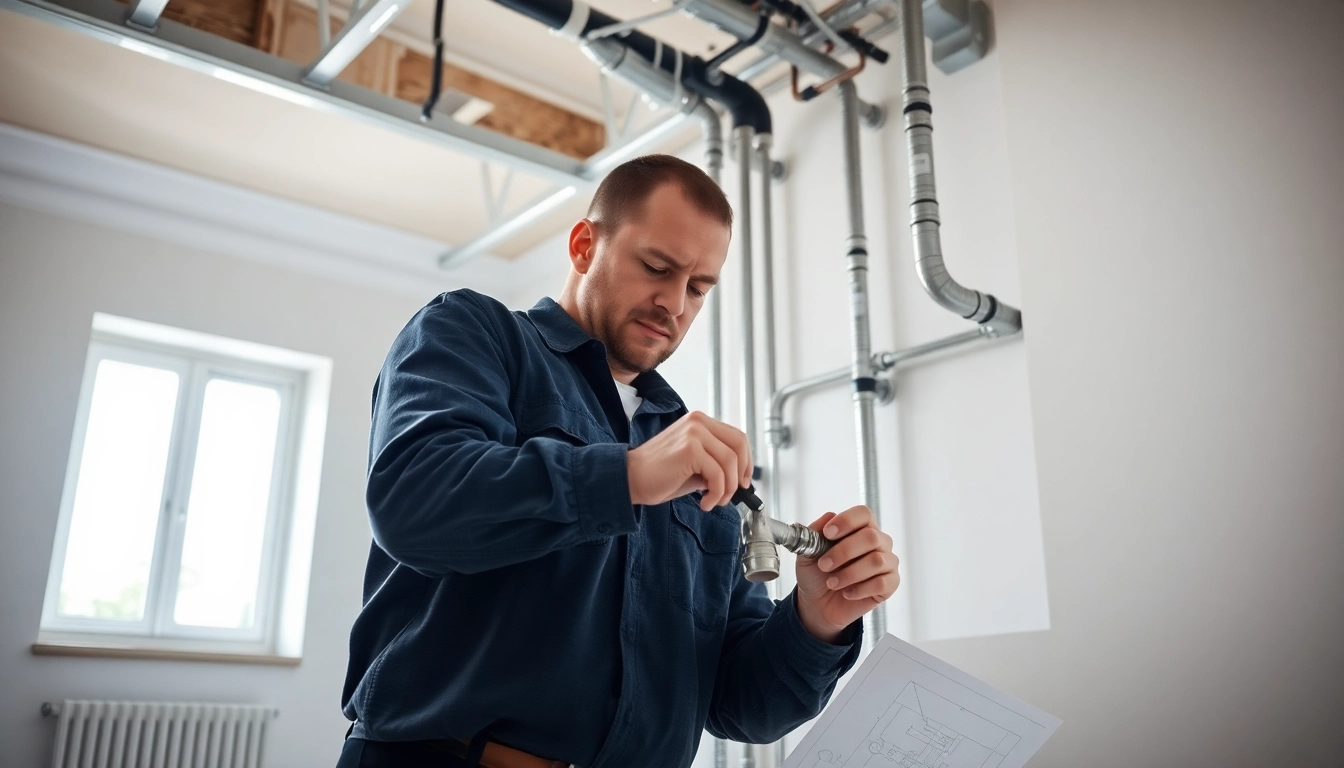
Understanding Whole House Repiping
What is Whole House Repiping?
Whole house repiping is the process of replacing all the water piping in a home with new materials to enhance plumbing efficiency and safety. This extensive service addresses various issues such as leaks, corrosion, and outdated plumbing systems that can compromise water quality. It ensures that every tap, shower, and appliance gets clean, reliable water flow, providing peace of mind to homeowners. For residents needing this important service, the whole house repiping services Tampa is a dependable choice.
Common Reasons for Repiping
Repiping becomes essential for several reasons, including:
- Corrosion: Over time, especially with older metal pipes like galvanized steel, corrosion can occur, leading to leaks.
- Frequent Leaks: If homeowners notice recurrent leaks in multiple areas, it’s often a sign of systemic plumbing issues.
- Persistent Low Water Pressure: This can result from degraded pipes affecting water flow.
- Discolored or Foul-Tasting Water: This indicates contamination, often caused by corroded pipes.
- Outdated Plumbing Materials: Older homes may still use materials (like lead pipes) known to be harmful.
Signs Your Home Needs Repiping
Homeowners should be vigilant for various warning signs, including:
- Visible Rust: Rust stains on fixtures can indicate rusting pipes.
- Increased Water Bills: Unexpected spikes can signal leaks hidden in walls or under floors.
- Water Stains: Water damage on walls or ceilings points to pipe issues.
- Noisy Pipes: Strange sounds during water flow might indicate problems within the plumbing system.
- Slow Drainage: If drains are slow or frequently clog, it may suggest underlying pipe deterioration.
Benefits of Whole House Repiping Services Tampa
Improved Water Quality
Repiping significantly enhances the quality of water in your home. New piping materials like PEX or copper do not corrode like older pipes, ensuring clean and safe drinking water. This leads to healthier living conditions, as contaminants and impurities commonly associated with aging plumbing systems are eliminated.
Enhanced Home Value
Investing in whole house repiping services can boost the market value of a property. Prospective buyers appreciate the reliability and efficiency that comes with modern plumbing systems. Moreover, having updated plumbing reinforces the integrity of a home’s foundation and structure, making it more appealing during sales.
Preventative Maintenance
Repiping acts as a preventative measure against future plumbing issues. By addressing potential problems efficiently, homeowners can avoid costly repairs down the line. A proactive approach in repiping ensures that plumbing systems remain functional and resilient, saving money and reducing stress.
Choosing the Right Repiping Materials
Comparing Copper and PEX
When it comes to selecting materials for repiping, two main options dominate the market: copper and PEX (cross-linked polyethylene).
- Copper: Known for its durability and reliability, copper piping has been the industry standard for decades. It is resistant to corrosion and can handle high temperatures, making it suitable for hot water supply. However, its installation can be labor-intensive, leading to higher costs.
- PEX: PEX has gained popularity in recent years due to its flexibility, resistance to scale and chlorine, and lower cost of installation. It is less prone to bursting in freezing conditions and can be easily installed in tight spaces. However, it may not be suitable for outdoor plumbing due to UV sensitivity.
Budget-Friendly Options
Property owners often seek cost-effective solutions without sacrificing quality. PEX materials, in particular, offer a more affordable alternative to traditional copper while maintaining good performance. Additionally, quoted prices for installation can vary; thus, obtaining several estimates can lead to significant savings.
Durability and Longevity
Choosing durable materials can save money in the long run. Copper pipes can last over 50 years, while PEX is known for a service life exceeding 40 years under proper conditions. Opting for high-quality installation also contributes to the longevity of the plumbing system, ensuring fewer repairs and replacements are needed in the future.
The Repiping Process Explained
Initial Consultation and Assessment
The first step in the repiping process is a comprehensive consultation with plumbing professionals. During this phase, a thorough assessment of the existing plumbing system is conducted, evaluating factors such as pipe condition, age, and layout. Homeowners can discuss any specific concerns or symptoms experienced in their plumbing, leading to an informed decision on necessary repairs and material selections.
Installation Steps and Timeline
Once the assessment is complete, an installation timeline is developed. The steps typically include:
- Preparation: This may involve draining the water system and covering floors and furniture.
- Removal: Old pipes are carefully removed to minimize damage to surrounding areas.
- Installation: New pipes are installed according to the layout specific to the home’s plumbing.
- Testing: The new system is tested for leaks, pressure, and overall functionality.
- Cleanup: After installation, cleanup is performed, leaving the area tidy.
The entire installation process may take one to several days, depending on the home’s size and complexity.
Post-Installation Care and Maintenance
After repiping, homeowners should follow a maintenance routine to ensure the longevity of the new system. This includes periodic inspections for leaks, maintaining water pressure levels, and encouraging a healthy flow of water. Additionally, it is advisable to keep the plumbing system clean of minerals and debris, particularly in areas with hard water.
FAQs About Whole House Repiping Services Tampa
How long does repiping take?
The duration of the repiping process can vary greatly, typically ranging from one to three days, depending on the home’s size and complexity.
Will repiping affect my water pressure?
Generally, repiping can lead to improved water pressure, especially if the old pipes were narrowed by corrosion or mineral buildup.
Is repiping a comprehensive solution?
Yes, repiping addresses all plumbing issues related to old and deteriorating pipes, providing a complete and long-term solution for water supply problems.
What should I expect during the process?
Expect some disruption of water service during installation, along with workers in your home, but professionals will strive to minimize the inconvenience.
How much does whole house repiping cost?
The cost may vary widely depending on factors like home size and material choice but typically ranges from a few thousand to several thousand dollars for the entire house.