

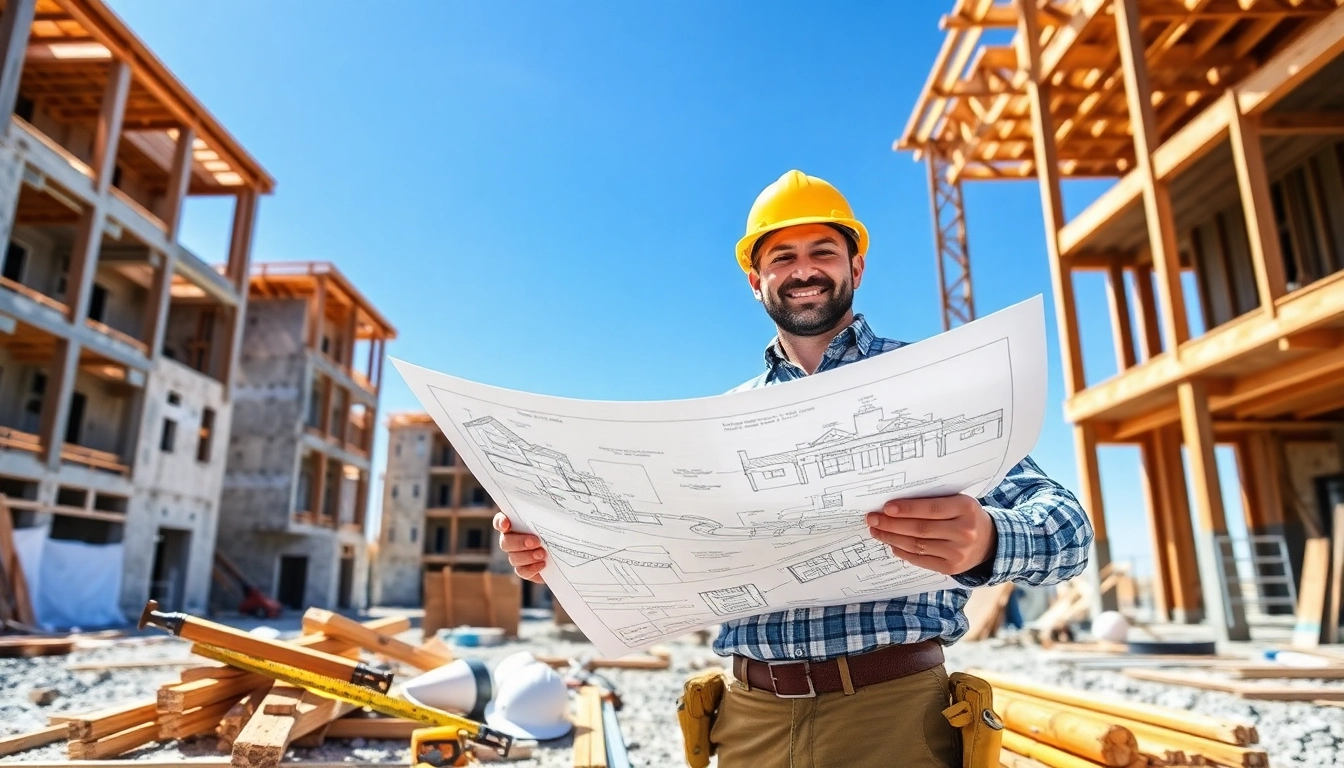
Understanding the Role of a New Jersey General Contractor
Definition and Responsibilities
A New Jersey General Contractor is pivotal in the construction industry, serving as the primary point of coordination for various construction projects. These professionals take on the responsibility of managing the planning, execution, and completion of construction tasks. Their duties include hiring subcontractors, securing permits, scheduling inspections, and ensuring compliance with local building codes and safety regulations. They act as a bridge between the client and various stakeholders, keeping communication streamlined and addressing any issues that may arise during the construction process.
Importance in Construction Projects
The role of a general contractor is crucial for the success of any construction project. They ensure that the project stays on schedule and within budget, avoiding costly delays and overruns that can arise without effective management. Their experience enables them to foresee potential problems before they escalate, allowing for proactive solutions. Additionally, a general contractor manages the quality of work, ensuring that all aspects of the project meet the expected standards and legal requirements.
Key Skills to Look For
When selecting a New Jersey General Contractor, it’s essential to evaluate key skills that are indicative of their ability to handle a project successfully. Look for proficiency in project management, strong communication abilities, financial acumen, problem-solving skills, and expertise in local building codes. A contractor should also exhibit leadership qualities, coordinating various teams effectively and ensuring they are all aligned toward common project goals.
How to Select the Right New Jersey General Contractor
Evaluating Experience and Reputation
When searching for a suitable New Jersey General Contractor, experience plays a vital role in ensuring project success. Consider contractors with a track record of similar projects successfully completed, as this indicates their expertise in the specific type of construction you’re requiring. Checking their reputation is essential; seek reviews from previous clients, and consider using platforms that aggregate user feedback to get a comprehensive view of their performance. A reputable contractor will likely have a portfolio of completed projects, showcasing their skills and reliability.
Checking Qualifications and Licenses
In New Jersey, all general contractors must be properly licensed. Before engagement, verify that each contractor has the necessary credentials to operate legally within the state. This might include general liability insurance, workers’ compensation coverage, and a valid business registration. Having the proper licenses not only protects the contractor but also provides you with reassurance about their professionalism and adherence to industry standards.
Understanding Cost Estimates and Budgeting
A crucial step in hiring a New Jersey General Contractor is obtaining and evaluating detailed cost estimates. It’s important to understand how these estimates are structured. They should include labor, materials, overhead, and any potential contingencies. When comparing estimates, ensure that they reflect the same scope of work to have an accurate basis for comparison. Establish a well-defined budget upfront and communicate openly about potential adjustments as the project progresses to prevent surprises later on.
Common Pitfalls When Hiring a New Jersey General Contractor
Underestimating Project Scope
One common pitfall is underestimating the project scope, which can lead to budget overruns and delays. It’s essential to provide the contractor with a clear and detailed project plan that outlines your expectations and requirements thoroughly. Engage in thorough discussions about potential pitfalls and have contingency plans in place to address unforeseen circumstances that may arise during the project.
Neglecting to Review Contracts
Many clients neglect to review contracts thoroughly before signing. Understanding the contract details, including scope, payment terms, deadlines, and termination clauses, is critical. A well-drafted contract protects both parties, minimizing the risk of disputes down the line. It may also be beneficial to have a legal expert review the contract to ensure that your rights and interests are adequately protected.
Lack of Communication
Effective communication is integral to the success of construction projects. A lack of communication can lead to misunderstandings, delays, and mistakes. Regular check-ins and progress meetings with your general contractor can ensure that everyone is on the same page regarding project developments. Encourage a culture of openness and transparency, where team members feel comfortable voicing concerns or updates.
Best Practices for Working with a New Jersey General Contractor
Setting Clear Expectations
From the outset, it is vital to set clear expectations regarding project objectives, timelines, and final outcomes. Clearly defined goals can guide the decision-making process throughout the project. Meeting beforehand to discuss these objectives with your general contractor can foster collaboration and alignment, ensuring that everyone involved understands their roles and responsibilities.
Regular Progress Meetings
Conducting regular progress meetings helps maintain momentum on the project and allows for real-time updates on any developments. During these meetings, discuss the status of ongoing tasks, any issues encountered, and upcoming deadlines. Such interactions instill a sense of shared responsibility and ensure that everyone remains committed to the project’s success.
Documentation and Contracts Management
Keeping organized records of contractual agreements, correspondence, and project documentation is essential in mitigating misunderstandings. Maintain a project binder or digital folder that includes contracts, changes, meeting notes, and receipts. This way, both you and the contractor have a point of reference for tracking progress, budgeting, and any changes that occur throughout the build.
FAQs About New Jersey General Contractor Services
What is a general contractor responsible for?
A general contractor manages the construction process, ensuring work is completed on time, within budget, and up to code.
How do I find a reputable New Jersey General Contractor?
Check online reviews, ask for referrals, and verify licenses and insurance to find a trustworthy contractor.
What should a contract with a general contractor include?
It should outline the scope of work, payment terms, timelines, and contingencies for changes or delays.
How can I ensure my project stays on budget?
Set a clear budget upfront, monitor expenses regularly, and communicate openly with your contractor about potential cost changes.
What are typical payment terms with a New Jersey General Contractor?
Payment terms vary, but are generally structured with a deposit upfront, progress payments, and a final payment upon completion.
Finding the right New Jersey General Contractor can make all the difference in ensuring a smooth, efficient, and successful construction project. By understanding their role, evaluating potential candidates thoroughly, and fostering an effective working relationship, homeowners and businesses alike can navigate their construction endeavors with confidence.