

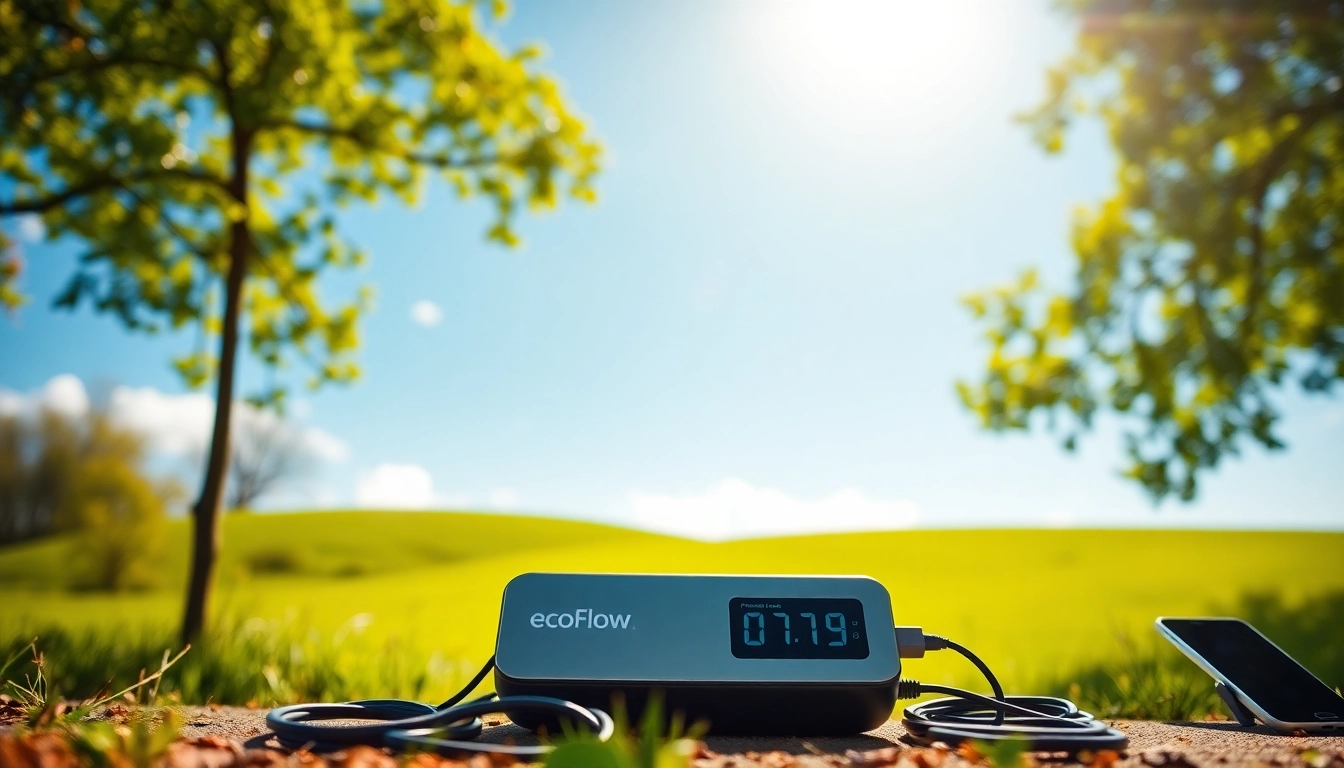
Understanding EcoFlow Solutions
What is EcoFlow?
EcoFlow is a company dedicated to creating portable power solutions that enhance your outdoor experiences and provide backup power in emergencies. Their innovative range of products includes power stations, solar panels, and accessories designed to empower users with reliable energy wherever they are. With a focus on sustainability and efficiency, EcoFlow products are engineered to cater to diverse needs, making them an ideal choice for adventurers, families, and eco-conscious individuals alike. These devices operate on advanced lithium battery technology, ensuring high energy density and longevity, setting a new standard in the portable power industry. For those looking for dependable energy solutions, EcoFlow offers both versatility and performance.
Key Features of EcoFlow Products
EcoFlow stands out in the market due to several unique features:
- Fast Charging: EcoFlow products utilize advanced technology to offer rapid charging capabilities, allowing users to recharge their devices in a fraction of the time compared to traditional power banks.
- Modular Design: Many EcoFlow devices are designed with modular components, allowing users to customize their systems based on specific power needs, whether for camping trips or emergency situations.
- Versatile Output Options: EcoFlow provides multiple output ports including AC, DC, and USB, making it compatible with a wide range of devices from small electronics to larger appliances.
- Smart App Control: With Bluetooth connectivity, users can control and monitor their EcoFlow devices via a mobile application, ensuring ease of use and precision when managing power.
- Eco-Friendly Solar Integration: Many EcoFlow products can be seamlessly integrated with solar panels, providing a renewable energy solution that is both efficient and sustainable.
Benefits of Using EcoFlow
Utilizing EcoFlow products offers a multitude of benefits, including:
- Reliability: EcoFlow’s commitment to quality ensures that users have dependable power sources while camping, during power outages, and on road trips.
- Portability: Lightweight and compact designs allow users to transport EcoFlow products easily, making them perfect for outdoor adventures.
- Cost-Effectiveness: By opting for solar rechargeability, users can save money over time on electricity and gas, reducing their environmental footprint.
- Increased Independence: Users gain the freedom to power devices anywhere, reducing reliance on grid power, especially in remote locations.
- Improved Peace of Mind: Whether for emergency preparedness or regular outdoor use, EcoFlow products provide users with assurance that they will have power when needed.
Choosing the Right EcoFlow Device
Different Types of EcoFlow Products
EcoFlow’s lineup consists of several key product categories, including:
- Power Stations: These are the heart of EcoFlow’s offerings, providing versatile power solutions for various devices. Popular models include the RIVER series and DELTA series, each catering to different capacity needs—from portable charging for phones to powering refrigerators.
- Solar Panels: Designed to work in conjunction with their power stations, EcoFlow’s solar panels allow users to harness renewable energy for charging, ideal for eco-conscious users and outdoor enthusiasts.
- Accessories: EcoFlow also provides a variety of accessories to enhance the usability of their devices, including solar panel connectors, additional cables, and storage options, maximizing the efficiency and longevity of your investment.
How to Select Based on Your Needs
When selecting the right EcoFlow device, consider the following factors:
- Power Requirements: Assess the devices you intend to power and their wattage. For instance, if you need to power a fridge or larger appliance, consider the DELTA series for higher capacity.
- Portability: For frequent travelers or campers, lightweight options like the RIVER series can be ideal. Evaluate how much weight you’re willing to carry during outdoor activities.
- Usage Frequency: Determine how often you’ll need backup power. Regular use might justify investing in a more robust model, while occasional use may allow you to opt for a simpler device.
- Budget: EcoFlow offers a range of products at various price points. Consider what features you need most and align them with your budget to find the best fit.
- Solar Integration: If renewable energy is a priority, ensure your choice includes solar panel compatibility for off-grid charging capabilities.
Understanding Power Capacity and Output
Power capacity is one of the critical elements to understand when choosing an EcoFlow device. EcoFlow’s power stations provide specifications that indicate how much power they can store (measured in watt-hours or Wh) and their output capacity (measured in watts or W). Here are key points to consider:
- Battery Capacity: The capacity determines how long your powered devices can run. Higher watt-hours mean you can power devices for longer durations.
- Output Ports: Look at the different ports available and their output ratings. Some power stations offer multiple simultaneous outputs—great for powering multiple devices at once.
- Peak vs. Continuous Output: Understand the device’s peak output capacity, particularly if you need to start heavy appliances that require more power initially.
Setting Up Your EcoFlow Unit
Installation Guidelines for Beginners
Setting up an EcoFlow device is straightforward, even for those new to portable power systems. Follow these steps:
- Unboxing: Carefully open your EcoFlow package and ensure all components are included according to the product listing.
- Charging: If using a power station, connect it to a wall outlet using the provided charger. Wait until the battery is fully charged, indicated by the LED light.
- Setting Up Solar Panels (if applicable): If you have solar panels, place them in an area with maximum sun exposure. Connect them to the power station using the appropriate cables.
- Testing: Once everything is set, conduct a test run by plugging in a small device to ensure the system is working correctly.
Connecting Devices to EcoFlow
Connecting devices to your EcoFlow unit is simple and can be achieved in a few steps:
- Identify the Right Port: Depending on your device’s plug type, choose the AC, USB, or DC port accordingly.
- Power On: Turn on your EcoFlow unit by pressing the power button.
- Connect Device: Plug your device into the selected port and monitor the power display to check that the device is receiving power.
- Monitoring Performance: Use the EcoFlow app or onboard display to keep track of your battery percentage and power consumption.
Managing Battery Life Effectively
To maximize the longevity and performance of your EcoFlow device, follow these battery management tips:
- Regular Use: Frequently use and recharge your unit to keep the battery healthy.
- Optimal Temperature: Store and operate your EcoFlow device in environments between 20°C and 25°C for maximum efficiency.
- Avoid Deep Discharge: Try to recharge before the battery dips below 20% to preserve battery lifespan.
- Use Energy-Saving Modes: Whenever possible, utilize energy-efficient settings for devices to prolong usage time.
EcoFlow in Action: Real-Life Applications
Best Uses for EcoFlow in Outdoor Adventures
EcoFlow products are particularly popular for outdoor enthusiasts. Here are some applications:
- Campsite Power: Keep your tents illuminated and devices charged. A power station can power lights, fans, and even small cooking appliances.
- Boondocking: Those who camp in remote locations can use EcoFlow to maintain power for devices and appliances without needing to rely on campgrounds and their facilities.
- Recreational Vehicles: For RV owners, integrating EcoFlow systems allows for greater freedom and mobility as power can be effectively managed while on the road.
EcoFlow for Emergency Preparedness
Being prepared for emergencies is vital, and EcoFlow products can assist with that:
- Reliable Backup: In case of power outages, EcoFlow units provide immediate electricity for essential devices, ensuring communication and safety are maintained.
- Natural Disaster Readiness: EcoFlow units offer a portable power source that can be crucial during hurricanes, earthquakes, or floods when traditional power sources may be affected.
- Charge Required Devices: Use your EcoFlow to keep critical devices charged, such as phones, radios, and medical equipment during emergencies.
How EcoFlow Supports Sustainable Living
Emphasizing eco-friendliness, EcoFlow’s solar capabilities allow users to harness energy right from the sun:
- Reduction in Carbon Footprint: By utilizing solar energy, users can significantly reduce reliance on fossil fuels.
- Renewable Energy Integration: EcoFlow devices can integrate seamlessly with solar panels, making them an efficient solution for reducing long-term energy costs.
- Zero Emissions: Using EcoFlow devices does not contribute to air pollution, supporting a healthier planet.
Maintaining Your EcoFlow Device
Routine Care and Maintenance Tips
To ensure your EcoFlow device remains in excellent condition, follow these maintenance tips:
- Regular Cleanings: Keep vents and ports clean to prevent dust build-up which may harm performance.
- Software Updates: Regularly check for app updates to ensure optimal device performance and access to the latest features.
- Proper Storage: Store the device in a dry, cool place if not in use for extended periods.
Troubleshooting Common Issues
If you encounter issues with your EcoFlow device, here are some common problems and solutions:
- Device Not Powering On: Ensure the battery is charged. Check all connections and try different outlets for AC-powered devices.
- Battery Draining Quickly: Verify device usage; appliances with high wattage may deplete battery faster than expected.
- Overheating: Ensure proper ventilation. Avoid using the device in direct sunlight for long periods to prevent thermal issues.
When to Seek Professional Repair Services
While EcoFlow products are designed for durability, certain situations may require professional assistance:
- Physical Damage: If your device shows signs of severe physical damage or water exposure, it’s essential to consult a service center.
- Structural Integrity Issues: If the battery compartment or casing appears compromised, professional repair may be necessary to ensure safety.
- Persistent Functional Problems: If troubleshooting doesn’t resolve issues, it’s wise to seek professional diagnostics to avoid further complications.
Frequently Asked Questions
What types of devices can I charge with EcoFlow?
EcoFlow can charge a wide range of devices, including smartphones, laptops, small appliances, and even some larger devices like refrigerators, depending on the model.
Can EcoFlow devices power my appliances during outages?
Yes, EcoFlow devices are designed to provide reliable power during outages, making them ideal for backup energy needs.
How long does it take to recharge an EcoFlow device?
Recharging time varies by model; however, many EcoFlow devices can recharge fully in as little as 1-2 hours using wall outlets.
Are EcoFlow products compatible with solar panels?
Absolutely! EcoFlow products are designed to integrate seamlessly with solar panels, allowing for sustainable, renewable energy charging options.
How do I extend the life of my EcoFlow battery?
To extend battery life, avoid deep discharges, keep the unit at optimal temperatures, and regularly use and recharge the device.